

Why Do I Have Damp Walls?
Discovering a damp patch on your wall can be worrying, especially if it seems to be getting larger over time.
While condensation can sometimes be the cause, damp walls are often an early warning sign of a hidden water leak. Identifying the source quickly can help prevent mould growth, structural damage and costly repairs.
This guide explains the most common causes of damp walls, what you can safely check yourself and when it’s time to call a professional plumber.
Quick Answer
Damp walls are commonly caused by hidden water leaks, condensation, roof leaks or rising damp. If the damp patch continues to grow, appears without recent rain or is accompanied by a higher water bill, a hidden plumbing leak may be the cause.
At a Glance
| Question | Answer |
|---|---|
| Most common cause | Hidden plumbing leaks and condensation. |
| Can I check this myself? | ✅ Yes. Look for nearby plumbing fixtures, check your water meter and monitor whether the damp patch grows. |
| Should I repaint the wall? | ⚠️No. Always identify and repair the cause before redecorating. |
| When should I call a plumber? | If the damp area continues growing, your water bill increases or you suspect a hidden leak. |
| Can it get worse? | Yes. Damp walls can lead to mould, damaged plaster and structural deterioration if left untreated. |
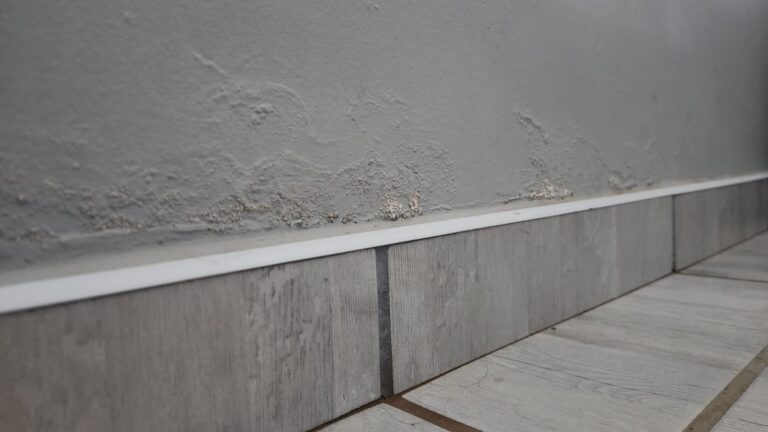
Why Do Damp Walls Happen?
Walls should remain dry throughout the year.
When moisture begins appearing inside a wall, it usually means water is entering where it shouldn’t. This could be from a leaking pipe hidden behind the wall, moisture entering from outside, or condensation forming on colder surfaces.
The sooner the cause is identified, the easier it is to prevent further damage.
Common Signs
You may notice:
- Damp patches that continue to grow.
- Bubbling or peeling paint.
- Plaster beginning to crack or soften.
- Musty or mouldy smells.
- Mould growing on the wall.
- Discoloured paint or staining.
- Dampness returning after repainting.
Common Causes
Damp walls are commonly caused by:
- Hidden water leaks.
- Leaking water pipes.
- Leaking shower plumbing.
- Roof leaks.
- Condensation.
- Rising damp.
- Poor waterproofing.
What Can You Check Yourself?
Before contacting a plumber, there are several simple checks you can safely perform.
1. Check Nearby Plumbing Fixtures
Look for leaking taps, toilets, showers or basins located on the opposite side of the wall.
2. Monitor The Damp Patch
Take a photograph and compare it over several days to see whether it is increasing in size.
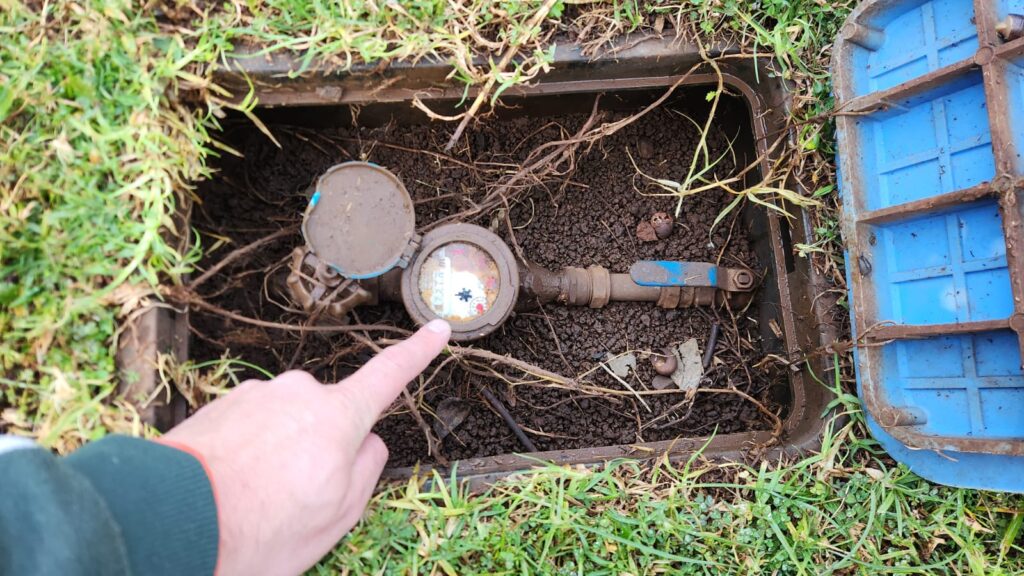
3. Check Your Water Meter
Turn off all water fixtures and check whether your water meter continues moving.
4. Look For Other Signs
Check for peeling paint, mould, musty smells or damp flooring nearby.
When Should You Call A Professional Plumber?
You should contact a professional plumber if:
- The damp patch continues growing.
- Your water bill has increased unexpectedly.
- Your water meter indicates a possible leak.
- The source cannot be identified.
- Mould begins developing.
- The wall feels soft or saturated.
How Tap Tap Plumbing Can Help
If you suspect a hidden plumbing leak, Tap Tap Plumbing can help identify the source before unnecessary damage occurs.
Our experienced plumbers use professional leak detection equipment to locate hidden water leaks behind walls, under floors and underground with minimal disruption. Once the leak has been found, we explain the problem clearly and recommend the most effective water leak repair for your home.
We provide same-day service wherever possible, helping homeowners prevent further water damage without unnecessary delays. Before any work begins, you’ll receive fixed-cost pricing, giving you complete peace of mind with no unexpected surprises.
Whether the problem is a concealed pipe leak, leaking shower plumbing or another hidden plumbing issue, our focus is always on honest advice, professional workmanship and long-lasting repairs.
Frequently Asked Questions
Can a leaking pipe cause damp walls?
Yes. Hidden water pipes are one of the most common causes of damp walls inside homes.
Can damp walls dry out on their own?
Not if the source of the moisture remains. The underlying problem needs to be identified and repaired first.
Should I repaint over a damp patch?
No. Repainting without fixing the source will usually result in the damp patch returning.
Does a damp wall always mean I have a plumbing leak?
Not always. Condensation, roof leaks and rising damp can also cause damp walls, which is why proper diagnosis is important.
Can damp walls cause mould?
Yes. Persistent moisture creates ideal conditions for mould growth, which can affect both your home and indoor air quality.
Related Services
Hidden water leaks
Higher water bills, damp walls or unexplained wet patches? Our leak detection specialists accurately locate hidden water leaks before they cause costly property damage.
Burst pipes or major water leaks
Water running through walls, ceilings or underground? Our same-day burst pipe repair team helps minimise water damage and restore your plumbing quickly.
Everyday plumbing problems
Leaking taps, running toilets, low water pressure or faulty plumbing fittings? Our general plumbing team helps homeowners solve everyday plumbing problems quickly and professionally.
Related Homeowner Guides
Coming Soon
24-hour emergency plumbers in Cape Town.
