
Why Won't My Toilet Stop Running?
Quick Answer
A toilet that won’t stop running is usually caused by a worn or faulty flush valve, flapper, fill valve or an incorrectly adjusted float. While homeowners can safely perform a few simple checks, replacing worn toilet components is often the most effective long-term solution. Ignoring a running toilet can waste thousands of litres of water and significantly increase your monthly water bill.
At A Glance
| Question | Answer |
|---|---|
| Most common cause | A worn flapper or faulty fill valve inside the toilet cistern. |
| Can I fix it myself? | Sometimes. Cleaning or adjusting a few components may solve the problem, but worn parts often need replacing. |
| Will it increase my water bill? | Yes. Even a slow-running toilet can waste thousands of litres of water over time. |
| When should I call a plumber? | If the toilet keeps running after basic checks or you notice leaks, constant refilling or poor flushing. |
| Can ignoring it make it worse? | Yes. A continuously running toilet wastes water, increases your utility costs and may indicate components that are close to complete failure. |
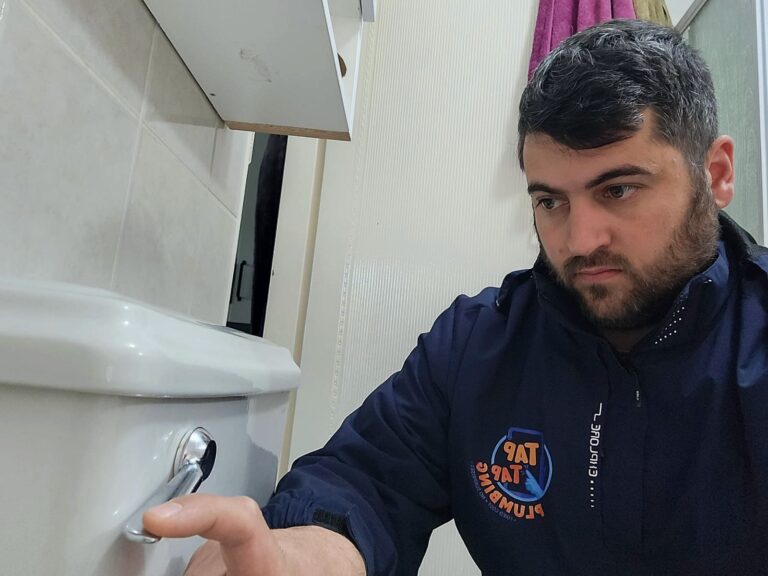
A toilet that keeps running after you’ve flushed it is one of the most common plumbing problems homeowners experience.
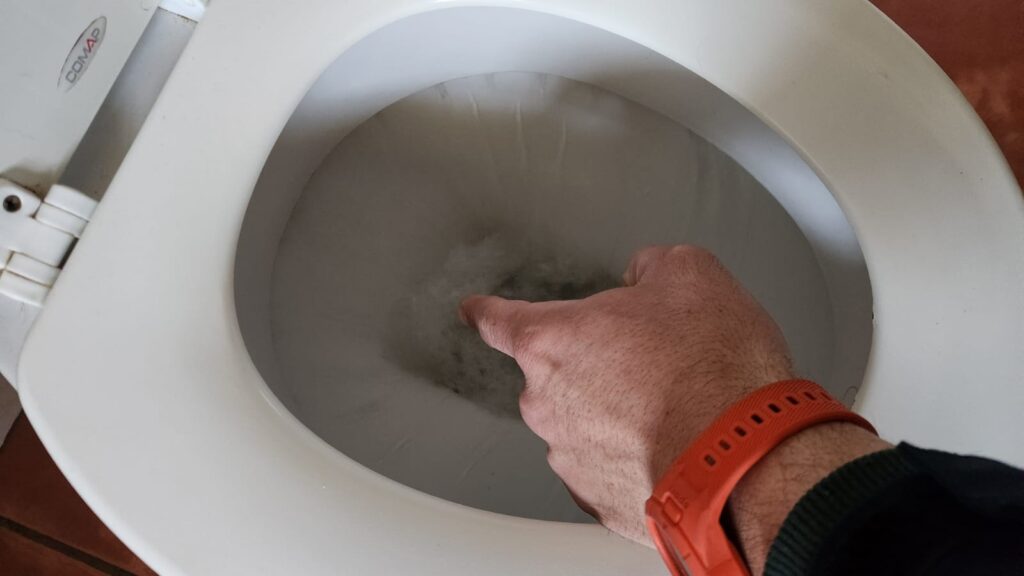
Sometimes it’s only a small trickle of water that you can barely hear. Other times, water continues flowing into the bowl long after the toilet has been flushed.
Although it may seem like a minor inconvenience, a continuously running toilet can waste thousands of litres of water over time and unnecessarily increase your water bill.
Fortunately, many of the common causes are easy to identify.
Common Signs Your Toilet May Need Attention
A running toilet doesn’t always sound the same. Common warning signs include:
✓ Water continues running long after flushing.
✓ You hear the cistern refilling regularly even when nobody has used the toilet.
✓ Water can be seen flowing into the toilet bowl.
✓ The flush handle feels loose or doesn’t return properly.
✓ Your water bill has increased without explanation.
✓ The toilet occasionally flushes by itself.
If you notice one or more of these symptoms, your toilet may require adjustment or repair.
Why Does This Happen?
Inside every toilet cistern are several moving parts that work together during flushing.
Over time these components naturally wear out.
Common causes include:
Worn Flush Valve Seal
The rubber seal can deteriorate with age, allowing water to slowly leak into the toilet bowl.
Faulty Inlet Valve
If the inlet valve doesn’t close properly, water continues entering the cistern after it should have stopped.
Incorrect Float Level
If the float is set too high, water can continue overflowing into the flush valve.
Worn Internal Components
Older toilets may develop wear on multiple internal components, making repairs necessary.
What Can You Check Yourself?
Before contacting a plumber, there are a few simple checks you can safely perform.
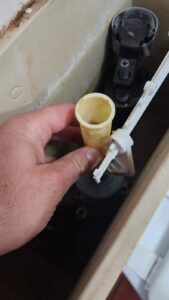
Remove the Cistern Lid
Observe what happens after flushing.
Does the water stop completely or continue flowing?
Check the Float
Ensure the float moves freely and isn’t stuck.
Listen Carefully
If you hear water running continuously, the inlet valve or flush valve may not be sealing correctly.
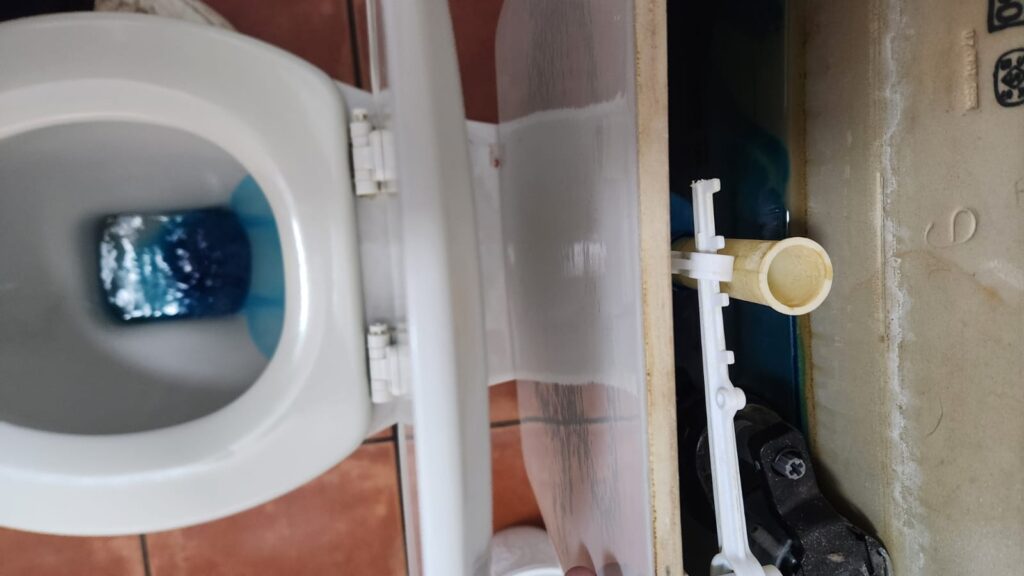
Add Food Colouring
Place a few drops of food colouring into the cistern without flushing.
If coloured water appears in the toilet bowl after several minutes, the flush valve is probably leaking.

When Should You Call A Professional Plumber?
Others require replacement parts or professional repairs.
If you’ve completed the basic checks above and your toilet continues running, it’s usually more cost-effective to repair the problem sooner rather than allowing water to be wasted every day.
Professional plumbers can quickly identify the faulty component and recommend the most appropriate repair.
How Tap Tap Plumbing Can Help
Tap Tap Plumbing provides professional toilet repairs and general plumbing services throughout Potchefstroom, Klerksdorp, Stilfontein, Orkney and Hartbeesfontein.
Whether your toilet requires a simple adjustment, replacement valve or more extensive repair, our experienced plumbers will identify the cause of the problem, explain the recommended solution and provide fixed-cost pricing before any work begins.
Our goal is to help homeowners solve plumbing problems quickly and with confidence.
Frequently Asked Questions
Can a running toilet increase my water bill?
Yes.
A continuously running toilet can waste a surprising amount of water every day, leading to significantly higher monthly water bills.
Can I keep using the toilet?
Yes, but it’s best to repair the problem as soon as possible to prevent unnecessary water wastage.
Is it expensive to repair a running toilet?
In many cases, replacing worn internal components is considerably less expensive than paying for months of wasted water.
Should I replace the whole toilet?
Usually not.
Many running toilet problems can be resolved by replacing individual components inside the cistern.
Related Services
Hidden water leaks
Higher water bills, damp walls or unexplained wet patches? Our leak detection specialists accurately locate hidden water leaks before they cause costly property damage.
Burst pipes or major water leaks
Water running through walls, ceilings or underground? Our same-day burst pipe repair team helps minimise water damage and restore your plumbing quickly.
Everyday plumbing problems
Leaking taps, running toilets, low water pressure or faulty plumbing fittings? Our general plumbing team helps homeowners solve everyday plumbing problems quickly and professionally.
Related Homeowner Guides
Coming Soon
24-hour emergency plumbers in Cape Town.