Tap Tap Plumbing

Blocked Drains

Why Do My Drains Smell Bad?

Why Do My Drains Smell Bad? Bad smells coming from your kitchen sink, bathroom drain or shower are usually a sign that something isn’t flowing through your drainage system properly. While unpleasant drain odours are common, they should never be ignored. They often indicate a developing blockage, trapped waste or another plumbing issue that may become more serious if left untreated. This guide explains the most common causes of smelly drains, what you can safely check yourself and when it’s time to call a professional plumber. Quick Answer Unpleasant drain smells are most commonly caused by trapped food waste, grease, hair, soap residue or a developing drain blockage. In some cases, dry floor traps or sewer gas entering your home may also be responsible. If the smell keeps returning after cleaning the drain, it’s usually a sign that the underlying problem needs professional attention. At a Glance Question Answer Most common cause  Food waste, grease, hair or soap residue trapped inside the drain. Can I fix it myself? ✅ Yes,Sometimes. Cleaning the drain or restoring water to a dry trap may solve minor odours. Should I use chemical cleaners? ⚠️ No. They often mask the smell temporarily without removing the cause. When should I call a plumber? If the smell keeps returning, multiple drains smell or drainage becomes slow. Can ignoring it make it worse? Yes. Drain odours often indicate a developing blockage that may eventually overflow. Why Do Drains Start Smelling? Your drainage system is designed to carry wastewater safely away from your home. When food waste, grease, hair or soap residue begin collecting inside the pipe, bacteria start breaking down the trapped material. This produces unpleasant odours that travel back up through the drain and into your home. In some cases, the smell may also be caused by a dry floor trap, damaged drain pipe or sewer gas entering the drainage system. Common Signs of a smelly drain Besides unpleasant smells, you may also notice: ✓ Slow-draining sinks or showers. ✓ Gurgling sounds from drains. ✓ Water backing up into fixtures. ✓ Bad smells after using water. ✓ Strong sewer odours outside your home. ✓ Smells that keep returning after cleaning. The more of these symptoms you notice, the more likely it is that a blockage is forming or developing. Common Causes Of a Smelly Drain Some of the most common causes include: Food scraps. Grease build-up. Hair build-up. Soap residue. Dry floor traps. Developing drain blockages. Sewer gas. Damaged drainage pipes. Safe Checks You Can Perform Yourself 1. Run Water Into Floor Drains Unused floor drains can dry out, allowing sewer gases to enter your home. Pour a small amount of clean water into the drain to refill the trap. 2. Clean Sink Strainers Remove trapped food scraps and debris from sink strainers. 3. Check Whether Water Is Draining Slowly Slow drainage often accompanies unpleasant drain smells and may indicate a developing blockage. 4. Avoid Chemical Drain Cleaners These products rarely remove the underlying cause and may damage plumbing over time. When Should You Call A Professional Plumber? Call a professional plumber if: The smell keeps returning. Multiple drains smell. Water drains slowly. Drains overflow. Sewer smells become stronger. DIY checks don’t solve the problem. How Tap Tap Plumbing Can Help Our team can identify the source of unpleasant drain smells and restore proper drainage before the problem becomes more serious. Whether the issue is a developing blockage, grease build-up or another drainage fault, we’ll explain the cause clearly and recommend the right solution. When you choose Tap Tap Plumbing, you can expect: ✓ Same-day service ✓ Fixed-cost pricing ✓ No call-out fees ✓ Professional workmanship ✓ Honest advice Frequently Asked Questions Can bad smells mean my drain is blocked? Yes. Unpleasant odours are often one of the earliest warning signs of a developing blockage. Why does my shower drain smell? Hair, soap residue and trapped waste commonly cause unpleasant smells in shower drains. Can a dry floor trap cause sewer smells? Yes. If the trap dries out, sewer gases can enter your home. Will drain cleaner remove the smell permanently? Usually not. Unless the cause is removed, the smell often returns. Related Services Slow or blocked drain? Slow drains rarely fix themselves. If your sinks, showers or toilets are draining slowly, Tap Tap Plumbing can identify the cause and restore proper drainage before the problem becomes more serious. → Drain Cleaning Services Burst pipes or major water leaks Water running through walls, ceilings or underground? Our same-day burst pipe repair team helps minimise water damage and restore your plumbing quickly. → Burst Pipe Repair Services Everyday plumbing problems Leaking taps, running toilets, low water pressure or faulty plumbing fittings? Our general plumbing team helps homeowners solve everyday plumbing problems quickly and professionally. → General Plumbing Services Related Homeowner Guides Coming Soon

Why Do My Drains Smell Bad? Read More »

Why Is My Drain Draining So Slowly?

Why Is My Drain Draining So Slowly? Quick Answer A slow-draining sink, shower or bath is usually caused by a developing blockage inside the drain. Hair, soap residue, grease and everyday debris gradually build up inside the pipe, restricting the flow of water. While some minor blockages can sometimes be improved with simple homeowner checks, recurring or multiple slow drains usually require professional drain cleaning to remove the blockage completely.   At a Glance Question Answer Most common cause Hair, soap residue, grease and debris building up inside the drain. Can I check this myself? ✅ Yes, Minor blockages can sometimes be improved, but recurring problems usually need professional drain cleaning. Should I use chemical drain cleaners? No. They usually provide only temporary relief and may damage your plumbing. When should I call a plumber? When multiple drains are slow, water backs up or the blockage keeps returning. Can ignoring it make it worse? Yes. Slow drains often develop into complete blockages if left untreated. Why Does A Drain Become Slow? Every time water flows down a drain, small amounts of waste travel with it. Hair, soap residue, grease, food scraps and other debris gradually stick to the inside of the pipe. Over time this build-up narrows the pipe, restricting water flow. Eventually water begins draining more slowly until the pipe becomes partially or completely blocked. Common Signs Of A Developing Blocked Drain A slow drain is usually only one of several warning signs. You may also notice: Water taking longer to drain from sinks, showers or baths. Gurgling sounds coming from drains. Bad smells from kitchen or bathroom drains. Water backing up into another fixture. Toilets flushing more slowly than usual. Outside drains overflowing during normal household use. Recognising these signs early can help prevent more serious drainage problems. Common Causes Of Slow Drains Some of the most common causes include: Hair build-up. Soap residue. Grease and cooking oils. Food waste. Foreign objects. Tree roots entering underground drains. Mineral build-up inside older pipes. Damaged or collapsed drain pipes. Safe Checks You Can Perform Yourself Before contacting a plumber, there are several simple checks you can safely perform. 1. Check If Only One Drain Is Slow If only one fixture is draining slowly, the blockage is often located close to that drain. If several drains throughout your home are slow, the blockage may be further down the drainage system. 2. Listen For Gurgling Sounds Gurgling noises usually indicate trapped air caused by a developing blockage inside the drain. 3. Check For Bad Smells Persistent drain odours often mean waste is collecting inside the pipe instead of flowing away properly. 4. Avoid Chemical Drain Cleaners Chemical drain cleaners rarely remove the entire blockage. They can also damage certain types of plumbing pipes and often delay proper repairs. When Should You Call A Professional Plumber? It is time to call a professional plumber if: Water stops draining completely. Multiple drains are slow at the same time. Water backs up into sinks, showers or toilets. Outside drains begin overflowing. Bad smells keep returning. DIY methods don’t improve the problem. Professional drain cleaning removes the blockage properly and helps prevent recurring drainage issues. How Tap Tap Plumbing Can Help At Tap Tap Plumbing, we help homeowners restore proper drainage quickly and professionally. Our team identifies the cause of the blockage, explains the problem clearly and recommends the right solution before work begins. When you choose Tap Tap Plumbing, you can expect: ✓ Same-day service ✓ Fixed-cost pricing ✓ No call-out fees ✓ Professional workmanship ✓ Honest advice Frequently Asked Questions Can a slow drain become completely blocked? Yes. Most blocked drains begin as slow drains. Addressing the problem early usually prevents more expensive repairs later. Are chemical drain cleaners safe? Most chemical drain cleaners only provide temporary relief and may damage your plumbing over time. Why are several drains slow at the same time? When multiple drains are affected, the blockage is often located further down the main drainage system. Can tree roots block my drains? Yes. Tree roots commonly enter underground drain pipes through small cracks and can eventually cause significant blockages. Related Services Slow or blocked drain? Slow drains rarely fix themselves. If your sinks, showers or toilets are draining slowly, Tap Tap Plumbing can identify the cause and restore proper drainage before the problem becomes more serious. → Drain Cleaning Services Everyday plumbing problems Leaking taps, running toilets, low water pressure or faulty plumbing fittings? Our general plumbing team helps homeowners solve everyday plumbing problems quickly and professionally. → General Plumbing Services Burst pipes or major water leaks Water running through walls, ceilings or underground? Our same-day burst pipe repair team helps minimise water damage and restore your plumbing quickly. → Burst Pipe Repair Services Related Homeowner Guides Coming Soon

Why Is My Drain Draining So Slowly? Read More »

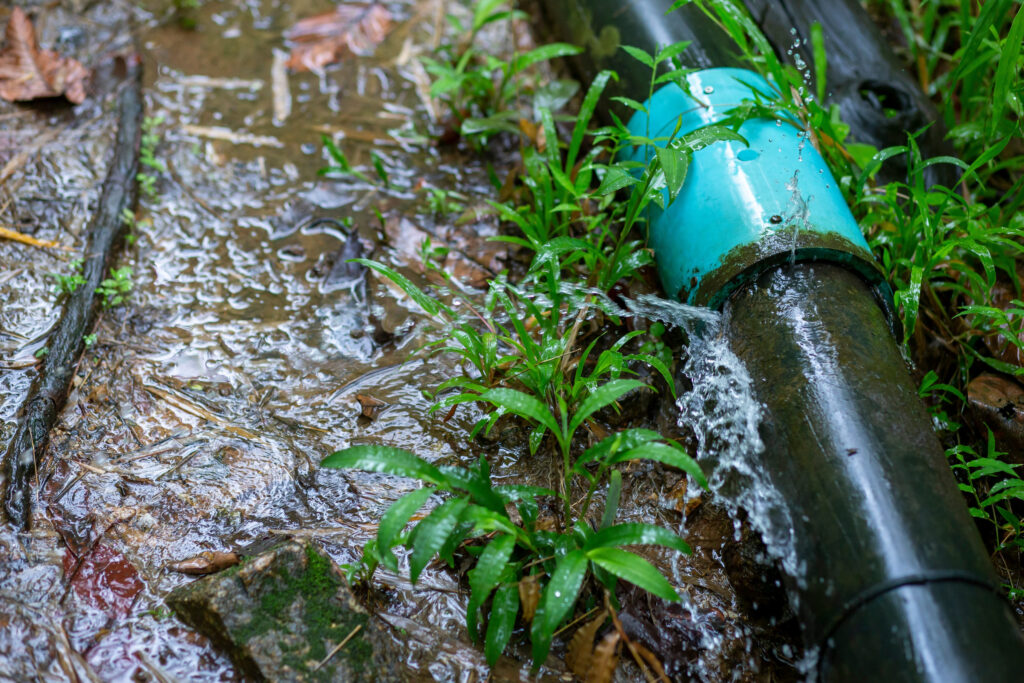
Large black water pipes connected by blue PVC pipes, water pipes for winter rain Tape Tape Plumbing

Winter & Rain Prep Guide for the North West: Prevent Burst Pipes and Blocked Drains

Prevent Burst Pipes and Blocked Drains: Your Winter & Rain Prep Guide for the North West The North West province is known for its dramatic weather shifts. From heavy summer thunderstorms to freezing winter nights in Klerksdorp and Potchefstroom, your plumbing system takes a beating. Being proactive now prevents the nightmare of a flooded living room or a sewage backup during the worst of the season. Common Causes of Winter and Rain-Season Plumbing Failures Regional weather patterns often trigger specific plumbing issues: Freezing Temperatures: When water freezes in pipes, it expands, leading to cracks and sudden bursts. Storm Debris: Heavy rains wash leaves, silt, and debris into your outdoor drains, causing rapid clogging. Ground Shift: Saturated soil during rain can shift, putting pressure on underground pipes and causing leaks. Overloaded Gutters: Clogged gutters force water toward your foundation, often leading to basement or slab leaks. How to Protect Your Home Today Preventative maintenance is significantly cheaper than emergency repairs. Follow these steps to secure your home: Insulate Exposed Pipes: Use foam lagging on outdoor pipes to prevent freezing during cold snaps. Clear Your Drains: Ensure your gutters and outdoor drains are clear of debris before the rains hit. Check Your Seals: Inspect window and door seals to keep dampness out of your interior walls. Professional Inspection: Have a pro check for slow leaks that could become catastrophic under pressure. Professional Drain and Pipe Care in Potch and Klerksdorp<span style Whether you are dealing with blocked drains in Potchefstroom or need help with blocked drains in Klerksdorp, Tap Tap Plumbing specializes in regional preventative care. We understand the specific soil and climate challenges of the North West, ensuring your blocked drains are cleared using methods that prevent future recurrences. Stop Problems Before They Start!Don’t wait for a burst pipe to ruin your winter. Contact Tap Tap Plumbing today for a comprehensive maintenance check and ensure your home is ready for any weather the North West throws at it. Our Emergency Plumber Service Areas Potchefstroom | Klerksdorp | Stilfontein | Orkney | Hartbeesfontein Open 7 days a week Fixed costs 24 Hour Plumbers No call out fees Same day service Need a fast and reliable Emergency Plumber? Contact Tap Tap Plumbing Our experts will solve your plumbing issues in no time. Call Us Now Get in Touch

Winter & Rain Prep Guide for the North West: Prevent Burst Pipes and Blocked Drains Read More »

Drain Cleaning in Potchefstroom

Clogged drains can be a major inconvenience, leading to slow drainage, unpleasant odors, and even potential water damage. If you’re dealing with a blocked drain in Potchefstroom, Tap Tap Plumbing is here to provide expert drain cleaning services to get your plumbing system flowing smoothly again Common Causes of Drain Blockages Understanding what causes drain blockages can help you prevent future clogs. Some common culprits include: Hair and Soap Build-up – Over time, hair and soap scum can accumulate in bathroom drains, leading to blockages. Grease and Food Particles – Kitchen drains often get clogged due to grease, fat, and leftover food debris. Foreign Objects – Items like wipes, sanitary products, and small objects can accidentally end up in drains, causing severe blockages. Tree Roots – Roots from nearby trees can infiltrate underground pipes, leading to major drainage issues. Mineral Deposits – Hard water can leave mineral deposits in pipes, gradually restricting water flow. Signs Your Drains Need Cleaning Not all clogs are obvious at first. Watch out for these warning signs that indicate it’s time for professional drain cleaning: Water draining slowly in sinks, tubs, or showers Gurgling noises coming from drains Unpleasant odors coming from your plumbing system Frequent clogs or backups Water pooling around outdoor drains How to Prevent Future Drain Clogs While professional drain cleaning is sometimes necessary, you can take steps to keep your drains clear: Avoid pouring grease or oil down the drain Use drain strainers to catch hair and food debris Flush drains regularly with hot water and baking soda Avoid flushing anything other than toilet paper Schedule routine drain maintenance with Tap Tap Plumbing Why Choose Tap Tap Plumbing? At Tap Tap Plumbing, we are committed to providing top-quality plumbing services in Potchefstroom. Here’s why customers trust us for drain cleaning: ✅ Advanced Drain Cleaning Techniques – We use professional tools and methods to clear even the toughest blockages. ✅ Fast and Efficient Service – We respond promptly to restore your drains to peak performance. ✅ Affordable Pricing – Transparent pricing with no hidden fees. ✅ Experienced Plumbers – Our team is skilled in handling all types of drain issues. ✅ Customer Satisfaction Guaranteed – We stand by our work and ensure long-lasting results. Contact Tap Tap Plumbing Today! If you have a clogged drain or want to prevent future issues, trust Tap Tap Plumbing for expert drain cleaning in Potchefstroom. Call us today to schedule a service!

Drain Cleaning in Potchefstroom Read More »

Most people see plumbers advertise this, but do not know or understand exactly what drain jetting is, we are here to clear that up

The Ultimate Guide to Drain Jetting: Unblocking Your Drains Efficiently

The Ultimate Guide to Drain Jetting: Unblocking Your Drains Efficiently When it comes to maintaining a healthy plumbing system, drain cleaning is essential. Among various methods available, drain jetting has emerged as a powerful solution for tackling stubborn blockages in residential and commercial properties. Whether it’s blocked baths, showers, sinks, toilets, or a blocked main drain, understanding drain jetting and its specialized nozzle types can make all the difference in achieving a clear clean and flowing drainage system. What is Drain Jetting? Drain jetting, also known as high pressure water jetting, is a highly efficient technique for cleaning and unblocking drains. This method utilizes high-pressure water sprays to remove blockages and debris within pipes. Unlike traditional methods that may rely on manual snaking or chemical agents, drain jetting offers a more thorough and environmentally friendly solution. How Does it Work? The process of drain jetting involves the following steps: 1. Inspection: Before any cleaning takes place, a professional plumber will assess the drainage issue, often using a camera or CCTV Pipe inspection to identify the exact location and cause of the blockage. 2. Preparation: The plumbing system is prepared for jetting, often involving the removal of any surface fixtures. 3. Jetting: A high-pressure hose with a specialized nozzle is inserted into the drain. Water is then blasted at pressures exceeding 4000 psi, effectively breaking down any obstructions, grease, or debris. 4. Removal of Waste: As the water flushes through, it carries away the dislodged materials, leaving the pipes clean and clear. 5. Final Inspection: After jetting, another inspection is often conducted to ensure that the blockage is fully cleared, and the pipes are in good condition. Benefits of Drain Jetting – Deep Cleaning: Unlike traditional methods, drain jetting provides a thorough cleaning of pipes, removing built-up grease, scale, and other debris.– Versatile: Drain jetting can be used on various types of drainage systems, including residential kitchens, bathrooms, and commercial establishments.– Prevention: Regular drain cleaning with jetting can help prevent future blockages, saving time and money on urgent repairs.– Environmentally Friendly: This method relies solely on water, eliminating the need for harsh chemicals that can harm the environment. Common Applications of Drain Jetting Drain jetting is applicable for various blocked drains, including: – Blocked Baths and Showers: Hair and soap scum often accumulate in baths and shower drains, leading to blockages. Jetting can quickly clear these out.– Blocked Sinks: Food particles and grease buildup in kitchen sinks can be effectively removed through jetting.– Blocked Toilets: When toilets become blocked, drain jetting provides an efficient solution to restore functionality.– Blocked Main Drains and Sewers: Main drain blockages can cause serious issues. Jetting can reach deep into sewer lines to clear significant blockages. Understanding Nozzle Types for Drain Jetting The effectiveness of drain jetting is largely dependent on the type of nozzle used for the high-pressure water stream. Different nozzles serve various purposes: 1. Rotating Nozzle: – Use: Ideal for heavy blockages and tough debris. – This nozzle features rotating jets that create a powerful circulation of water, making it effective for hard-to-remove blockages in main drains. 2. Flat Nozzle: – Use: Best for cleaning flat surfaces and cutting through grease and sediment.– The flat jet configuration spreads water in a broad pattern, ideal for flush washing the walls of the pipe. 3. Penetrating Nozzle: – Use: Perfect for penetrating blockages created by tree roots or similar intrusions.– These nozzles have forward-facing jets that push the nozzle ahead while cleaning as they go. 4. Side-Discharge Nozzle: – Use: Effective for clearing lateral drains and performing side cleaning.–  This nozzle blasts water to the sides, cleaning the walls of pipes for comprehensive maintenance. 5. Chain Flail Nozzle: – Use: Excellent for cutting through tough debris and root intrusions.–  This nozzle uses a chain to break apart hard blockages, making it particularly effective against tree roots. Also known as a root cutting nozzle Conclusion Drain jetting is a highly efficient method of drain cleaning and unblocking, effective for a wide variety of plumbing issues, including blocked baths, showers, sinks, toilets, and even main drains. By understanding the benefits and applications of this technique, along with the various nozzle types used, you can ensure that your drainage system remains in top condition. If you’re struggling with blocked drains in your home or business, consider professional drain jetting as a reliable solution. With its deep-cleaning capabilities and environmental benefits, drain jetting might be the most effective answer to your plumbing woes. Always consult with a Tap Tap licensed plumbing service to schedule an inspection and determine the best approach to keep your drains free flowing. So if you are looking for fast and effective drain cleaning look no further than Tap Tap Plumbing. Drain cleaning solutions, tailor made for you the homeowner.

The Ultimate Guide to Drain Jetting: Unblocking Your Drains Efficiently Read More »

Tree roots is the leading cause for well tree growth and plumbing problems and issues.

Understanding How Tree Roots Contribute to Burst Pipes

Understanding How Tree Roots Contribute to Burst Pipes One of the less frequently discussed causes of burst pipes is the influence of tree roots. While most people are aware of pipes bursting due to extreme weather, aging infrastructure, or high-water pressure, tree roots can quietly and insidiously cause significant damage to various types of plumbing systems. In this blog post, we delve into the ways tree roots can contribute to pipe failures, the types of pipes affected, and perhaps answer some off the plumbing questions, such as “why do copper pipes burst?” and “how do tree roots damage plastic pipes?” The Mechanics of Root Infiltration Tree roots grow in search of moisture, nutrients, and oxygen. As they expand, they can apply significant pressure on underground pipes. Here’s how: 1. Finding Moisture: When it rains, pipes may be a source of moisture for tree roots, especially if they have small leaks or cracks. Roots can infiltrate these cracks, leading to more extensive breaches. 2. Growth Pressure: Roots grow aggressively, particularly in search of water sources. This growth can exert immense pressure on the pipes, causing them to crack, break, or buckle. 3. Blockages: Once roots penetrate pipes, they can create blockages. In sewage pipes, roots can lead to clogs that result in backups and increased pressure within the plumbing system. Types of Pipes Affected by Roots Tree roots can affect various types of water pipes, including: – Plastic Pipes: Although plastic pipes (like PVC) are generally resistant to corrosion, they can still be penetrated by aggressive root systems. The pressure from growing tree roots can cause these pipes to crack, leading to leaks or bursts. – Copper Pipes: Copper pipes are known for their durability but can still fail under certain conditions. When roots invade a copper pipe, the pressure can cause pinhole leaks or complete ruptures. Homeowners often ask, “Why do copper pipes burst?” The answer may lie in the added stress from nearby tree roots, coupled with the effects of corrosion and environmental factors. – Galvanized Pipes: These older pipes can be particularly vulnerable to damage from tree roots. Galvanized steel is prone to corrosion, and once the protective zinc coating wears off, the roots can exploit any vulnerabilities. Over time, this can lead to significant leaks and bursts. Why Do Copper Pipes Burst? Copper pipes are celebrated for their longevity and resistance to rust. However, factors leading to their failure include: 1. Corrosion: While copper itself is resistant, the nature of the surrounding soil and water can cause localized corrosion, weakening the pipes over time. 2. Thermal Expansion: Changes in temperature can lead to expansion and contraction. If roots are pressing against a pipe, this added stress can accelerate the failure rate. 3. Root Intrusion: As previously mentioned, tree roots can invade copper pipes, leading to leaks and bursts. Addressing the question “why do copper pipes burst?” is vital for homeowners, as proactive measures can help mitigate potential damage. How Do Tree Roots Damage Plastic Pipes? Plastic pipes, such as PVC or ABS, are generally less susceptible to corrosion but can still be damaged by tree roots: 1. Cracking Under Pressure: Roots growing against these pipes can create small cracks. As the roots continue to grow, the cracks can widen, leading to leaks. 2. Blockages: Once roots enter pipes, they can cause significant blockages, leading to increased pressure in the piping system. This can cause water to back up and potentially lead to bursts. 3. Lack of Visibility: One of the biggest challenges with plastic pipes is that the damage may not be readily visible. Homeowners often don’t recognize the symptoms, such as slow drainage or damp spots, until it’s too late. Prevention and Solutions To prevent tree roots from damaging your pipes, consider the following strategies: – Root Barriers: Installing barriers around the root zones of trees can help divert roots away from foundational structures and pipes. – Regular Inspections: Scheduling regular plumbing inspections can help identify potential issues before they develop into significant problems. – Pipe Repair and Replacement: If roots have already infiltrated your pipes, options include mechanical cleaning or replacing damaged sections with more resilient materials. – Choosing Pipe Materials Wisely: Opting for more root-intrusion-resistant pipe materials during renovation or new construction projects can save future hassle. Conclusion Tree roots are more than just a lush part of landscaping; they can be a significant threat to your plumbing systems. Understanding how they interact with different types of pipes—plastic, copper, and galvanized—can help homeowners take preemptive measures. By addressing the causes of tree root damage proactively, you can avoid costly repairs and maintain the integrity of your plumbing for years to come. If you notice signs of leaks or bursts, don’t hesitate to contact a Tap Tap  plumbing professional who can assess the situation and recommend appropriate solutions.

Understanding How Tree Roots Contribute to Burst Pipes Read More »

Rainy season in a city, depicting the effects of rains on blocked drains of a city

Rain & Blocked Drains: Why Storms Flood Your Pipes in the North West

How Rain Leads to Blocked Drains and Easy Solutions to Stop Them Rainy days not only offer a refreshing touch to your garden but can also introduce the troublesome issue of blocked drains. When rainwater drainage systems are overwhelmed by additional water or clogged with leaves and debris, homeowners might face substantial inconvenience and potential damage. Fortunately, with some simple preventive steps and effective solutions, such as regular drain cleaning and drain jetting, you can manage these problems efficiently. In this guide, we’ll explore how rain contributes to blocked drains and provide straightforward, reliable methods to avoid them, thus keeping your home dry and stress-free. How Rain Impacts Drainage Heavy Rainwater and Drain Systems Heavy rain can overpower drainage systems, which typically handle average rainfall. During a downpour, the volume of water entering often surpasses the system’s capacity, thereby leading to blocked drains. This is particularly common in areas with inadequate drainage infrastructure or minimal maintenance. Over time, this can cause wear and eventually require drain repair services. By participating in regular drain cleaning and upkeep, homeowners can prevent blockages. Moreover, using drain jetting not only clears debris but also ensures smooth system functioning. By proactively addressing these issues, you can maintain effective drainage even during heavy rains. Should you wish to harvest the rain and use that water on your garden, JOJO has some great products for that. Leaves and Debris Leaves and debris readily clog gutters, consequently causing significant drainage problems. During autumn, falling leaves can easily block gutters, leading to water overflow. As a result, this causes blocked drains as excess water flows elsewhere, potentially damaging your home’s foundation. Therefore, regular maintenance, including gutter cleaning, is essential. Homeowners can also use tools like gutter guards to minimise debris. Even light rain can cause problems from clogged gutters, making solutions like drain jetting vital to clear stubborn blockages. Keeping gutters clean reduces the need for frequent repairs and maintains a reliable drainage system. Consider installing a drain lid cover — they’re great for stopping unwanted debris from entering your drainage system. Consequences of Blocked Drains Blocked drains lead to issues that extend beyond mere inconvenience. Clogged drains cause water to back up, leading to flooding in your home’s lower levels or around the foundation. This can result in structural damage, mould growth, and costly repairs. Additionally, stagnant water from blocked drains becomes a breeding ground for pests and harmful bacteria. Homeowners facing these problems might need professional drain repair services to prevent long-term damage. However, regular drain cleaning and maintenance can prevent these scenarios altogether. Importance of Routine Drain Cleaning Routine drain cleaning is crucial for maintaining a healthy and efficient drainage system. By regularly clearing drains, you prevent the buildup of debris which could lead to severe problems. Regular maintenance, such as drain jetting, ensures systems work efficiently, especially during heavy rain. This measure not only protects against potential water damage but also extends the life of the infrastructure. Homeowners who invest in consistent cleaning avoid unexpected and costly repairs. Moreover, keeping drains clear improves home hygiene, reducing health risks from stagnant water and pests. Drain Jetting’s Role Drain jetting effectively clears stubborn blockages in drainage systems using high-pressure water jets to remove debris, grease, and buildups from pipes. This method ensures that rainwater systems remain operational without harsh chemicals, making it environmentally friendly. It is suited for both residential and commercial properties, providing a versatile solution for block prevention. Including regular jetting in your maintenance routine significantly reduces emergency drain repair calls. Traditional Methods for Unclogging Drains Traditional methods like plungers and drain snakes are still popular for their simplicity. A plunger creates suction to dislodge blockages, while a snake breaks up or retrieves debris. These methods serve as a first line of defence for minor clogs but may not suffice for severe blockages deep in the plumbing. In such cases, professional services like drain jetting may be necessary. When to Seek Professional Help Recognising when to seek professional drain repair services can save both time and money. Signs indicating a need for expert attention include recurring clogs, slow draining, unpleasant odours, and unusual sounds. These may suggest deeper problems like tree roots or pipe damage. Experts have the tools and experience to diagnose and fix complex issues using camera inspections and high-pressure jetting. Contacting professionals promptly prevents further damage and keeps your drainage system functional. Choosing the Right Service Provider Choosing the right provider for repairs is crucial for effective, long-lasting solutions. Research local companies with strong reputations and verify their credentials. Providers utilising advanced techniques like drain jetting and camera inspections are typically equipped to handle complex issues. Transparent pricing and clear communication are key factors in your decision. Tap Tap Plumbing offers fixed pricing with no call-out fee across Potchefstroom, Klerksdorp, Stilfontein, and the North West. FAQ: Rain and Blocked Drains Why do my drains block more when it rains? Heavy rain washes leaves, silt, and debris into your drainage system, overwhelming gutters and pipes. Combined with existing buildup, this creates rapid blockages. Can heavy rain cause permanent drain damage? Yes — the sudden surge of water can shift underground pipes, weaken joints, and wash debris into cracks, leading to ongoing blockages and eventual failure. How often should I clean my drains before rainy season? At least once before winter and once before summer storm season. Annual professional drain jetting removes sediment that DIY methods miss. Is drain jetting safe for old pipes? Yes — professionals use controlled pressure. For older pipes, a CCTV inspection first identifies weak points so pressure can be adjusted accordingly. Emergency Drain Cleaning in the North West If heavy rain has left you with blocked drains, don’t let the problem sit. Tap Tap Plumbing offers emergency drain cleaning across Potchefstroom, Klerksdorp, Stilfontein, Orkney, and Hartbeesfontein. No call-out fee, fixed pricing, and 24/7 availability. Don’t let the rain ruin your home. Call Tap Tap Plumbing now. Request emergency drain cleaning → More Blocked Drain Guides What to Do

Rain & Blocked Drains: Why Storms Flood Your Pipes in the North West Read More »

Drain cleaning in action, this machine shreds through drain blockages like nothing. Tree root removal from sewers no problem

Don’t Let Blocked Drains Rain on Your Parade: Tips and Tricks to Keep Your Pipes Flowing!

  Don’t Let Blocked Drains Rain on Your Parade: Tips and Tricks to Keep Your Pipes Flowing! Ah, the joys of homeownership! A cozy abode, family dinners, and a promised peaceful life—oh, until you hear “Gurgle, gurgle,” followed by that dreaded phrase: “We have a blocked drain!” Whether it’s your kitchen sink accidentally turning into a mini aquarium or your shower resembling a wading pool, blocked drains can throw quite the wrench into your day. But fear not! Today we’ll dive into the world of clogged pipes, explore common causes, and arm you with handy tips and drain cleaner advice to keep your home flowing smoothly. What Causes Those Pesky Blocked Drains? Blocked drains are like unsightly house guests. They never know when to leave and can be just as unpleasant. Understanding the common culprits can help you avoid these uninvited nuisances: 1. Hair Today, Gone Tomorrow: If you’ve ever bathed your pooch or attempted a DIY haircut, you know hair loves to hitch a ride down the drain. It wraps itself around everything like a clingy ex-partner until it creates an impenetrable fortress of hair! This one always blocks the showers and baths am I right guys?  2. Food Fiascos: That leftover spaghetti you thought would go down easily? Nope! Grease, fats, and food particles can combine forces to form a clogged coalition in your kitchen sink. It’s like the leftovers are starting a rebellion. 3. Wipes and oopsies: The classic “flushable” wipe myth. While they may claim to be friendly, they often conspire with other rogue objects, transforming your plumbing into a Bermuda Triangle for debris. Spoiler alert: they NEVER actually flush away. Care for your toilet do not back it up and block it with those supposedly flushable wipes.  4. Soap Scum Shenanigans: Soap may be intended to clean, but it can leave behind its own mess when combined with minerals in your water. It’s like the soap is throwing a parting gift to your pipes that no one asked for. These guys can be found in blocked bath and shower drains most commonly. Handy Tips to Avoid Blocked Drains To prevent your pipes from playing host to unwanted blockages and clogs, here are some handy tips to keep your drains clear: 1. Catch It Before It Drops: Invest in drain screens or catchers. These simple gadgets act as bouncers at the drain party, refusing entry to hair, food, and other troublesome elements. 2. Mind the Garbage Disposal: If you have one, remember it’s not a magical black hole. Feed it small amounts of food and run water while it’s processing. Don’t treat it like an all-you-can-eat buffet. 3. Regular Cleaning: Maintain a monthly ritual of pouring hot water down your drains. Mix it with vinegar and baking soda for a mini volcano that cleans and freshens. Just don’t put a cherry on top—this isn’t a dessert! 4. Know When to Call for Backup: If you’re facing a serious blockage and DIY efforts are failing, don’t hesitate to call a plumber. Sometimes you need professionals, not just warriors in your own home! The Marvelous World of Drain Cleaners When things get real, a good drain cleaner can be your best ally. Look for bio-friendly options since they’re effective and help keep your pipes in good health without harsh chemicals. Here’s how to harness the power of drain cleaner like a pro: – Follow Instructions: It may sound silly but read the label! Each cleaner has a unique application process. Follow it or you might end up playing a game of “What’s that smell?” – Use Regularly but Sparingly: Overusing drain cleaner can lead to pipe damage. Think of it like a special treat for your drains, not their daily diet. – Safety First: Always wear gloves and eye protection. Drain cleaning can be a splashy endeavor, and you don’t want to arrive at the family BBQ with chemical burns on your hands! Conclusion Blocked drains can be a real hassle, but with a little knowledge and a few preventative measures, you can keep your home flowing smoothly. Start by being aware of the common causes and arm yourself with handy tips to maintain those elusive clear drains. If all else fails, a trusty drain cleaner is there to save the day. Remember, a clogged drain is just a temporary setback. Don’t let it rain on your parade—let it flow! So, what are you waiting for? Grab your tools, get those drains in check, and enjoy the peace of a clog-free home! However, if you find yourself struggling with persistent blockages that DIY methods can’t clear, don’t hesitate to reach out for professional help. Call Tap Tap Plumbing today! Their expert team is ready to tackle those tough clogs and get your drains back in shape. Your plumbing will thank you, and you’ll be the hero of your own homeowner’s saga! So, whether you have a blocked basin, bath, dishwasher, sink, shower or toilet that needs unblocking we have you covered, our drain cleaning experts will be there quicker than a pothole repair crew on election day. 

Don’t Let Blocked Drains Rain on Your Parade: Tips and Tricks to Keep Your Pipes Flowing! Read More »